
"natural products"
20000 article(s) found
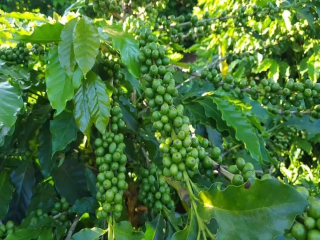
Introduction of Brazilian natural decaf coffee variety AC1
Nowadays, as more and more people become interested in natural decaf coffee, decaf coffee appears more and more frequently, both in stores and in the auction houses of fine coffee and raw beans. Such as Laurina and Aramosa, as well as the Ethiopian variety AC1 that has been excavated in recent years. What is AC?

Several major certification organizations for organic coffee
Organic coffee is coffee that does not use synthetic pesticides, herbicides or chemical fertilizers during its growth.
Exquisite Ethiopian coffee beans Starbucks Ethiopian coffee
Ethiopia has unique natural conditions suitable for growing all imaginable varieties of coffee. As a upland crop, Ethiopian coffee beans are mainly grown in areas between 1100 and 2300 meters above sea level, roughly distributed in southern Ethiopia. Deep soil, well drained soil, weakly acidic soil, laterite and soil are soft and contain
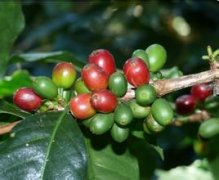
Get to know the organic coffee certification body
Organic coffee is coffee that does not use synthetic pesticides, herbicides or chemical fertilizers during its growth.

Ethiopian coffee flavor Ethiopian coffee characteristics Ethiopian coffee taste
Ethiopia has unique natural conditions suitable for growing all imaginable varieties of coffee. As a upland crop, Ethiopian coffee beans are mainly grown in areas between 1100 and 2300 meters above sea level, roughly distributed in southern Ethiopia. Deep soil, well drained soil, weakly acidic soil, laterite and soil are soft and contain

What is decaf | what are decaf? Datra Manor Opas Natural decaf
Professional coffee knowledge exchange more coffee bean information please follow the coffee workshop (Wechat official account cafe_style) Datra Manor Opas natural low-caffeine coffee flavor description: want to enjoy mellow coffee, but do not want to drink the strange taste of artificially processed low-caffeinated coffee, the world's first natural low-caffeinated coffee bean production information: country: Brazil: Syrador

An introduction to the estates of Ethiopian coffee-producing areas with the natural conditions for growing coffee
Sustainable coffee culture Ethiopian coffee beans grow in close to the natural environment, after years of planting under the same growth conditions, Ethiopian coffee beans have gradually adapted to the environment here. More than 60% of coffee beans are grown in forests or semi-forests. The villages that grow coffee in large areas account for about the total amount of coffee produced in the country.
Which brand of organic coffee is good? can I eat organic coffee beans directly? organic coffee bean price list
Professional coffee knowledge exchange more coffee bean information Please pay attention to coffee workshop (Wechat official account cafe_style) Organic coffee bean certification organic coffee bean is not only a healthy choice, but also a balance of ecological protection and stable natural environment. It is inspected by professional institutions from soil, coffee trees, roasting to transportation and the environment one by one every year, and all the conditions meet the standards.

The difference of Flavor between washing method and Solar method; introduction to the production area of varieties by taste treatment
The difference between washing and sunbathing flavors the local small farmers began to grow organic coffee in 2001 and work closely with medium-sized coffee producers because they are familiar with how to grow forest coffee in the highlands. It is one of the micro-producing areas with regional characteristics in the Sidamo producing area. The coffee in this region is quite unique, and the coffee produced is also

East Timor boutique coffee natural organic coffee beans
Timor-Leste is most famous for its organic coffee, which is interestingly related to the deteriorating law and order of the independence movement, as chemical fertilizers and pesticides cannot be transported to remote coffee fields, coffee farmers rarely spray pesticides and grow them entirely from natural organic fertilizers. Statistics also show that East Timor's Arabica organic coffee exports are 40% higher than pesticide-sprayed Arabica beans. East Timor

What is organic coffee? what's the difference between organic coffee and ordinary coffee?
Organic ∶ has life. Relating to or derived from an organism. It now refers to those containing carbon atoms, except carbon monoxide, carbon dioxide, carbonic acid, carbonates and certain carbon compounds. Its compound refers to the compound composed of carbon element and hydrogen, oxygen, nitrogen or sulfur. It's called organic matter for short. General plant bodies and animal remains, faeces and other decaying substances, after micro

Introduction of Panamanian Geisha Rosa Coffee Flavor description Grinding scale Variety production area treatment method
Panamanian Geisha Rosa Coffee Flavor description Grinding scale Variety Regional treatment method Gesha as one of 77 natural villages in the south of Ethiopia, like other natural villages, the original residents here live a life of sunrise and sunset. Rose Xia was born in a barren valley and lived a natural and mundane life. But she inherited the oranges unique to Essex coffee.
Differences in Ethiopian coffee
A large amount of coffee production (95%) is done by small shareholders, with an average yield of 561 kg per hectare. For centuries, minority holders of Ethiopian coffee farms have been producing a variety of high-quality types of coffee. The secret of producing high-quality coffee is that coffee growers have developed environmental conditions through generations of repeated learning about the coffee planting process.
Ethiopian coffee powder introduction of Ethiopian coffee beans
Now, Ethiopia produces coffee not only for drinking, but also for coffee lovers around the world to enjoy it better. With the continuous improvement of the quality and production efficiency of the coffee industry, Ethiopia is now more than ever able to provide high-quality coffee to even the most picky and discriminating customers. Ethiopia hopes that not only the world

Explain the differences between instant coffee and freshly ground coffee, from production process to flavor and brewing.
Professional coffee knowledge exchange more coffee bean information please follow the coffee workshop (Wechat official account cafe_style) 1. About the production process of instant coffee is made by baking and grinding coffee beans, adding fungicides, stabilizers, pigments, flavors and other chemical substances after high-pressure pulping and spray drying into powdered particles; while the natural coffee in coffee shops is made after coffee trees are picked.

To what extent can we go for the sake of environmental protection? Great Discovery of Renewable Resources products
Exchange of professional baristas Please follow the coffee workshop (Wechat official account cafe_style) environmental issues are not unfamiliar to everyone, but in real life is often difficult to implement. In Hong Kong, a city of efficiency and convenience, disposable items can be found everywhere. Generally speaking, a takeout order contains at least one disposable tableware, a styrofoam lunch box and a plastic bag. According to

Ethiopian coffee origin Ethiopian coffee processing methods Processing methods
The bulk of coffee production (95%) is done by small shareholders, with an average yield of 561 kg/ha. For centuries, small shareholders of Ethiopian coffee farms have been producing a variety of high-quality coffee types. The secret to producing good coffee is that coffee farmers have developed environmental conditions through generations of repeated learning of the coffee growing process.
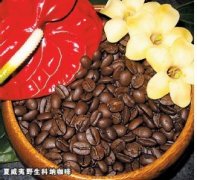
The price of wild coffee is better than gold, natural coffee.
Tasting a cup of natural coffee is the dream of coffee gluttons. Mellow, mild, soft, sweet and fragrant coffee can not only be the main drink on the table of three meals a day, but also a refreshing thing for leisure drinks. Coffee has been a popular drink in the world for only more than 300 years, but now it has become the first of the three largest drinks in the world (the other two are tea and cocoa).

What are the natural weather conditions and environment for growing coffee
Character identification: 1. The seed coat of small fruit coffee has been removed, oval or oval in shape, 8-10mm in length, 5-7mm in diameter, 3-4mm in the middle part of coffee tree, raised on the back, flat on the ventral surface, with slightly curved longitudinal groove and paper seed coat marks. Raw products are yellow or dark green; baked products are dark brown with special aroma and slightly bitter taste. Astringent. 2. The seeds of medium fruit coffee are slightly larger and ovoid.